

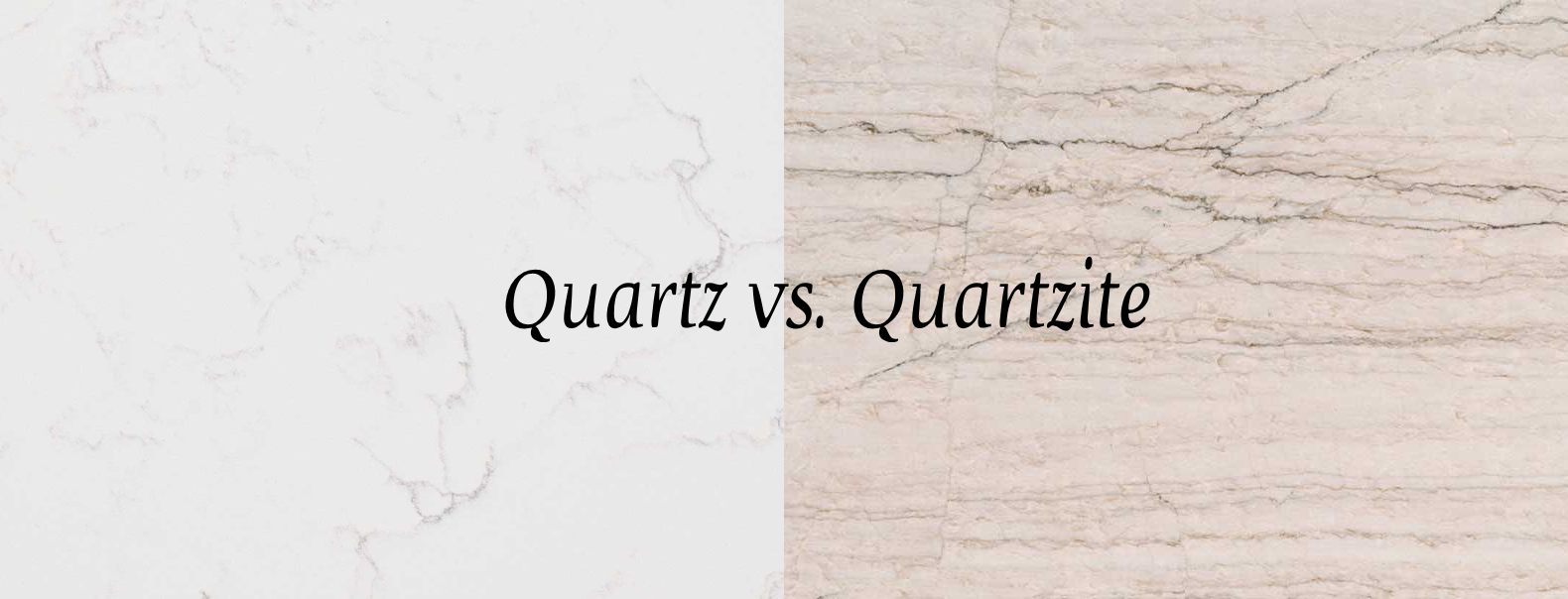
Selecting the optimal material is the most critical decision in any modern kitchen renovation. When researching Quartz vs Quartzite Countertops NJ, homeowners frequently confuse these two high-performance materials. While they sound related, their origins, maintenance requirements, and structural properties are fundamentally different. At Art of Kitchen & Tile, we fabricate and install both. Here is the definitive technical breakdown.
Material Composition & Geological Origins
Understanding the structural difference begins with how each material is formed.
Quartz (Engineered Surface)
Quartz countertops are engineered in a manufacturing facility. They consist of approximately 90-95% crushed natural quartz crystals bound together with 5-10% polymer resins and pigments. This industrial process creates a completely non-porous, highly controlled slab. Due to the manufacturing precision, quartz can be fabricated to mimic high-end marble or cast in solid, contemporary colors.
Quartzite (Natural Stone)
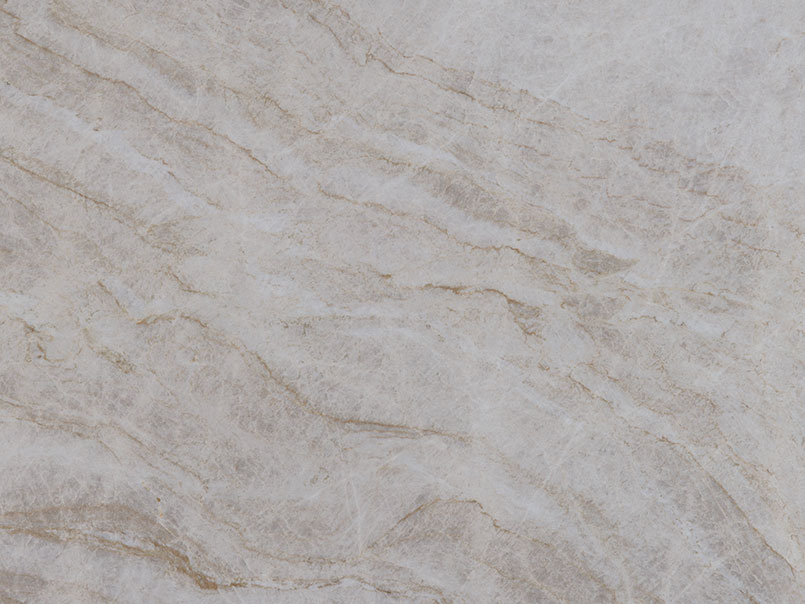
Quartzite is a 100% natural metamorphic rock. As defined by the Natural Stone Institute, it begins as sandstone and is subjected to extreme subterranean heat and pressure beneath the earth’s crust. This geological process fuses the sand grains together, resulting in a dense, exceptionally hard natural stone. The striking, unpredictable veining seen in quartzite is a result of natural mineral deposits during its formation.
Evaluating Quartz vs Quartzite Countertops NJ: Durability
Both materials offer premium longevity, but they react differently to heat and impact.
- Thermal Shock: Natural quartzite possesses exceptional heat resistance, easily withstanding contact with hot cookware. Engineered quartz, however, is vulnerable to extreme heat; the polymer resin binder can scorch or melt if exposed directly to high temperatures. Trivets are mandatory for quartz surfaces.
- Impact & Abrasion: Quartzite is harder than granite, making it highly resistant to scratching. Engineered quartz is slightly more flexible due to the resin, which gives it a slight advantage against chipping from heavy blunt impacts.
Aesthetic Variations & Architectural Matching
If your design requires strict uniformity—such as a seamless waterfall edge where the pattern must match precisely—engineered quartz is the superior choice. The predictable patterns ensure exact color consistency across multiple slabs.
Conversely, natural quartzite is selected for its organic, dramatic presence. Every slab is mathematically unique. Because no two slabs are identical, homeowners must view and tag their specific quartzite slabs at our Ridgefield showroom prior to digital templating.
Maintenance Protocols & Porosity
- Quartz Maintenance: Because the resin creates a non-porous seal, quartz requires zero sealing. It is highly resistant to bacterial growth and stains.
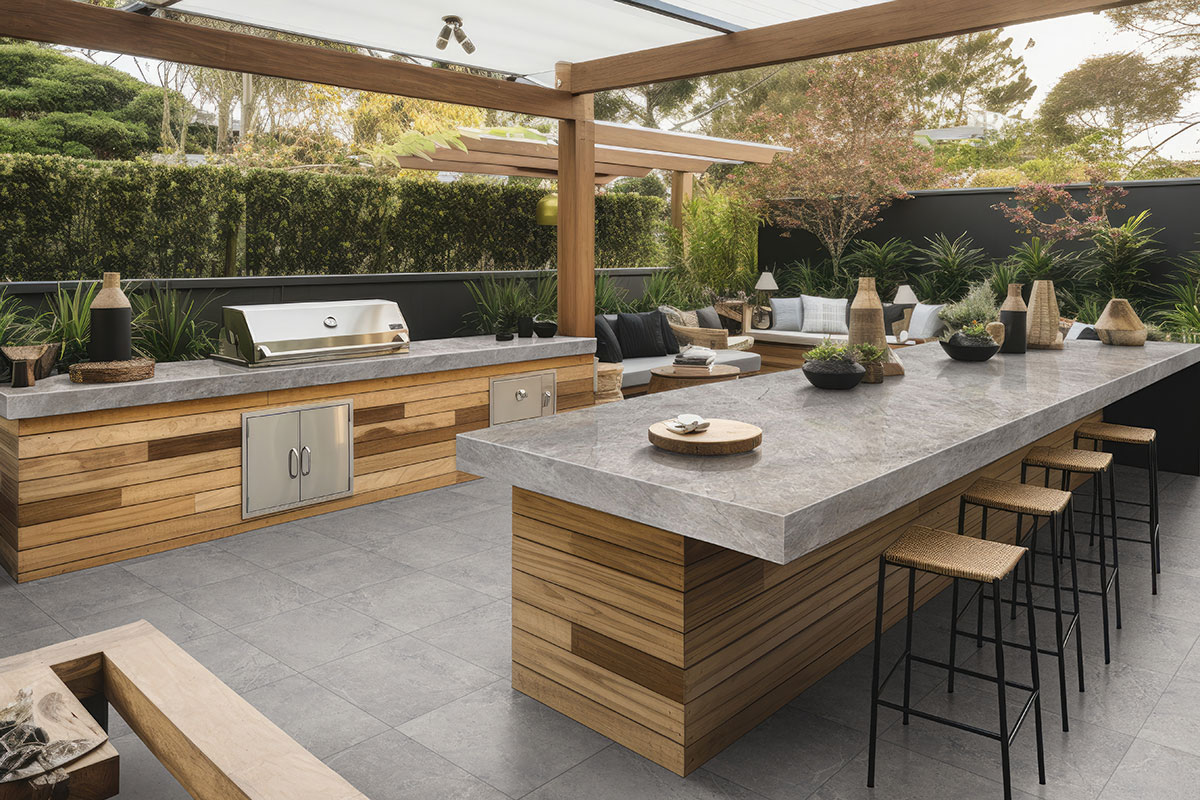
- Quartzite Maintenance: While less porous than marble, quartzite is still a natural stone. It requires the application of a commercial-grade penetrating sealer upon installation, and periodic resealing every 12 to 24 months.
Browse our Engineered Quartz Catalog →
Browse our Natural Quartzite Catalog →
Ready to elevate your kitchen?
Visit our Ridgefield showroom to view full slabs in person, or request a comprehensive fabrication estimate today.
Art of Kitchen & Tile
607 Grand Ave
Ridgefield, NJ 07657
201-941-1729

